
The Brink of War
2026 · Movie

Explore SmashyStream
Movies, TV shows, and a shortlist of your own. Search a title or pick a genre to get started.

President Ronald Reagan races against time to salvage a deal with Soviet leader Mikhail Gorbachev that could dismantle nuclear arsenals—or ignite disaster.
2026 · Movie
2026 · Movie

2026 · Movie

2026 · Movie
2026 · Movie
2026 · Movie

2026 · Movie

2026 · Movie

2026 · Movie
2026 · Movie
2025 · TV Series

2026 · TV Series

2025 · TV Series

2026 · TV Series

2026 · TV Series

2026 · TV Series

2026 · TV Series

2026 · Movie

2026 · TV Series
2026 · TV Series
Use SmashyStream on a phone or computer and understand what the web catalog provides.
Read guide →Understand website links and recover your title search when a SmashyStream address stops opening.
Read guide →Troubleshoot search, saved lists, and the viewing link without mixing them up.
Read guide →Find another way to watch a selected title or explore a similar story.
Read guide →A movie you want to see next month and a series you want to start tonight can belong in the same list. SmashyStream gives you movies, TV shows, title search, genre collections, and a browser-based My List to keep those choices close. Open a title for its story and release details, then choose Watch Now to compare viewing options through JustWatch in your selected country. If you came for SmashyStream free movies, an app, or help with playback, the guide below explains the choices available here and how to take your film from an interesting poster to an actual viewing decision.
Start with the SmashyStream bookmarks guide if saving films is the reason you are here. Open a movie or show and select My List. The button changes to show that the title is saved, and you can find it on the My List page. Selecting the same control again removes it. There is no need to create a separate account before using this feature. It is a straightforward way to keep a film in mind while continuing to browse the rest of the catalog.
A bookmark can have several purposes. You might save Practical Magic 2 because you are interested in the Owens family, The Weight because its prison-and-smuggling premise catches your attention, or a comedy series because you want something episodic. Those reasons do not need to become complicated categories. The important part is that the saved title means something to you when you return. If the interest was passing, remove it without treating your list as a collection you are obliged to complete.
My List belongs to the browser profile you are using. It is not attached to a SmashyStream login that follows you automatically onto another phone or computer. This makes an account unnecessary, but it also means that a different browser can have a different list. Private windows may behave differently from your usual session, and clearing site data can remove saved choices. Before making that kind of change, keep a copy of any title names you would be disappointed to lose.
A browser bookmark and a saved movie are related but separate. Bookmarking the homepage gives you an address to reopen. Adding a film to My List keeps a selection inside the site's browser storage. You can retain the homepage bookmark while losing local data, or keep site data while removing a bookmark from your browser menu. If the homepage opens normally but the list is empty, investigate the browser and profile before assuming that the entire catalog has changed or that a film has disappeared everywhere.
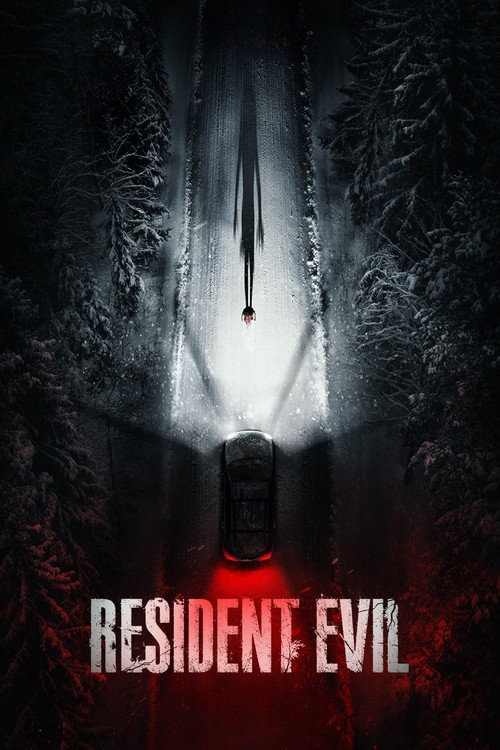
For a title with a common name, keep the year with it when making an outside note. The catalog's Resident Evil entry is identified as a 2026 production with a medical courier caught in a disastrous night. The name alone could send you toward another film or a discussion of the game series. A saved page here preserves the specific catalog title. A handwritten list saying only Resident Evil leaves more room for confusion when you search somewhere else later.
A saved TV series is not a watched-episode record. My List does not mark the last episode you finished, remember a timestamp, or continue a video from another service. If you want those details to survive a switch of player or device, keep the season and episode in a note or in the viewing service's supported history feature. That small distinction prevents a practical disappointment: finding the correct show again but discovering that the title bookmark alone cannot tell you where you left the story.
The recent-release selection and catalog dates can help you discover titles you want to follow. They are not a statement that every listed production is streaming today in every country. A movie can have a title page, poster, premise, and release-year information before a suitable home-viewing offer exists for you. Treat those details as a reason to learn about the film or save it, then check the viewing destination for current availability when you are ready to watch.
This is particularly useful with familiar franchises. Avengers: Doomsday, Practical Magic 2, and Street Fighter arrive with names that may already mean something to you. The catalog descriptions tell you which production is being discussed, not which editions are included with a particular subscription. Open the title and read the premise before comparing offers. A familiar brand name can otherwise make it easy to click an older film when you intended the newer entry.
Release year and story year also answer different questions. Street Fighter's description places its story in 1993 while the entry is labeled 2026. That does not make it a 1993 film. Similar distinctions matter for historical dramas and series set during a revolution or an earlier political period. Use the release year to identify the production, and use the overview to understand the setting. Combining the two helps you choose accurately without treating a period detail as a catalog error.
If you are planning a future watch, think about what you need to know now and what can wait. The premise, format, and connection to earlier titles may be enough to decide whether to save it. The exact home-viewing offer, available subtitles, and supported resolution are questions to answer nearer the time you intend to watch. Checking those details too early can leave you relying on information that no longer matches the eventual release. Saving interest is useful precisely because it does not force an immediate purchase or subscription decision.
Our year pages let you approach the catalog chronologically, while Trending provides a different arrangement. A title near the front of a popular selection is not necessarily the most recent release, and a recent entry is not necessarily the best fit for your evening. Use whichever view fits your question. If your priority is an available film for tonight, move from discovery to the actual viewing offer promptly instead of assuming that the newest poster will settle the choice.
For a group, a future-title bookmark can be an invitation rather than a fixed plan. You can agree that the premise interests everyone and return when suitable options are known. That is less frustrating than promising a specific night before checking availability. The same approach works for a new season of television: interest in the series is separate from knowing which episodes the service in your country currently offers. The title stays easy to find while the practical viewing details remain something you confirm.
Search SmashyStream with a movie or series name. Search checks title and original-title text, which is useful for international productions known under different names. A distinctive fragment can work better than a long sentence containing extra requirements. If you want The Girl in the River in HD with subtitles, begin with the title. The picture and language choices belong to the viewing offer you examine afterward. Adding every requirement to the search box can hide the simple title match you actually need.
Use the movie and TV filters to separate formats when the result matters. A crime film tells its story within one production, while a crime series can continue across episodes or seasons. A year filter helps identify a particular release, and a genre filter helps when you are open to several titles. If the results disappear after adding a filter, remove that restriction and compare again. The combination may be too narrow for this catalog even though the words in your query are perfectly reasonable.
There is a difference between searching a name and searching a plot. A query about a mother looking for a kidnapped daughter may describe Gandhari, but the title search is not a full plot-recognition service. If you know the name, use it directly. If you only know the kind of story, start with the relevant genre and read the descriptions. We do not present actor names or episode subtitles as searchable fields when the search is matching the movie and series titles themselves.
Sorting is another useful adjustment. Alphabetical order can make a small selection easy to scan, release-date order brings newer entries together, and rating order highlights higher displayed scores. Popularity is the default way to encounter titles with more attention in the catalog's source information. These arrangements are not personal recommendations built from your watch history. They give you different views of the same selection. Choose the order that answers your immediate question, then read the title rather than treating its position as a verdict.
On Top IMDb, the ratings shown here are TMDB community scores. The familiar route name does not turn them into IMDb scores or an IMDb ranking. A score can be useful when available, but an absent or low-information score is not proof that an upcoming title is poor. Look at the story, year, and format as well. You are deciding whether a film interests you, not trying to make every choice conform to a single number.
The genre pages and science-fiction collection can also reveal useful overlaps. A speculative idea may support action, romance, comedy, or a more reflective drama. The category is a doorway into that variety rather than a guarantee of the same tone. If one result is close to what you want but feels too intense, look at its other genres and the premise. Changing the kind of conflict can be more helpful than abandoning science fiction altogether.
The catalog gives you several ways to approach a tense story. The Brink of War describes a high-pressure effort to reach a nuclear-arms agreement. Its attraction is the possibility that words and decisions can change the outcome of a political confrontation. The Mongoose describes a falsely accused war hero at the center of a televised pursuit. Both premises involve public consequences, but the experience they suggest is different. One invites attention to negotiation; the other foregrounds movement, pursuit, and the people watching it happen.
The Weight makes its central bargain more personal. A prisoner separated from his daughter is offered freedom in return for smuggling gold with a dangerous crew. That description raises questions about trust, desperation, and what a person might risk to return to family. You can decide whether those stakes appeal without needing the plot resolved for you. If you like stories organized around a difficult proposition, this is a more precise reason to open the title than simply choosing anything labeled thriller.
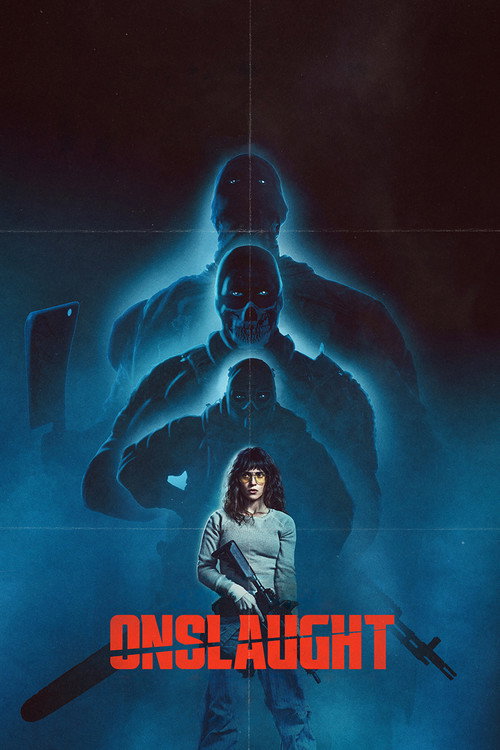
Family protection also appears in Onslaught, where an Army sniper faces genetically engineered soldiers while trying to protect her daughter. The premise adds speculative action to a personal threat. Gandhari instead introduces a mother pursuing the people responsible for a kidnapping after losing her eyesight. These descriptions should not be flattened into identical revenge stories. Read the particular circumstances and decide whether you want the military setting, the speculative element, or the personal pursuit that gives each title its direction.
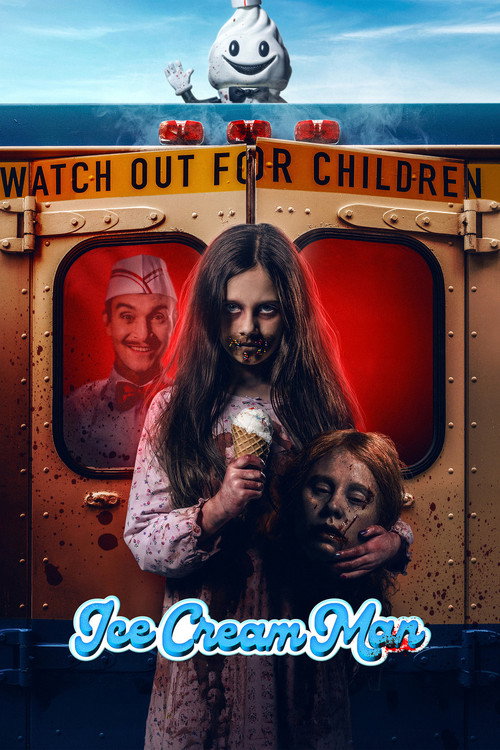
Horror can start from an apparently ordinary place. Ice Cream Man describes an idyllic summer town disrupted by horrifying consequences connected to an ice cream seller. Resident Evil places a medical courier inside a night that turns chaotic. If you are browsing for horror, those premises help you distinguish a community under threat from a more immediate survival situation. Do not use a cheerful object in a title or colorful artwork to judge whether a film is suitable for children.
For an investigation rather than a chase, The Girl in the River introduces a criminologist and a psychologist looking into a child's murder and another child's disappearance. That premise is emotionally demanding even before you know its details. Our crime and investigation collection can help you explore this area, but the category alone does not tell you the level of distress a story may contain. When choosing for someone else, discuss the subject matter plainly rather than assuming that a taste for mysteries means comfort with every case.
If you want a change of tone, consider what part of the previous premise interested you. The partnership might matter more than the danger, or a family relationship might matter more than the investigation. The drama collection gives you another angle on character-led stories. You can also move toward romance or comedy through the genre pages. A good alternative preserves the part you wanted and changes the part you did not, rather than merely copying the most visible label.
Shape of My Heart uses a body-swap premise to bring together people from different backgrounds. That is an imaginative device, but the description's interest is also practical: how do two people handle unfamiliar circumstances and the difficulties created by the exchange? If you enjoy romance that begins with an impossible situation, this gives you a concrete reason to open the title. It is a different use of an extraordinary premise from a film that mainly builds toward a large battle.
Keep Real introduces a returning superhero figure whose mission becomes entangled with the social expectations of a town. The contrast between grand responsibilities and ordinary human interactions is the useful detail in its catalog description. It suggests a reason to explore the comedy side of speculative stories even if large-scale action is not your first choice. An unusual ability or history can make everyday obligations more complicated rather than removing them. The premise is worth reading on its own terms.
The Last Scene turns toward a woman who sees other people's futures in dreams and wants to change her own life and those around her. That description combines an extraordinary ability with a dangerous romantic connection. If you like stories where knowing more does not necessarily make decisions easier, the premise offers that kind of attraction. You can compare it with Shape of My Heart without claiming the films have the same tone, structure, or outcome.
In television, Chainsmoker Cat combines an unusual central character with rent, work, and concern from loved ones. Its description is another reminder that stylized or animated storytelling can address adult difficulties. The animation collection is not automatically a children's collection. Check the premise and the selected service's audience guidance when deciding who should watch. A character's appearance is not enough to establish whether the subject matter suits the people sharing your screen.
These titles make genre browsing more interesting because their central devices serve different purposes. One creates an intimate exchange of perspectives, another complicates a public mission, and another puts foreknowledge inside a relationship. When you finish a film and want something connected to it, consider which of those ideas you enjoyed. You may find a useful next choice across a different genre or format instead of looking only for another title with the same surface ingredients.
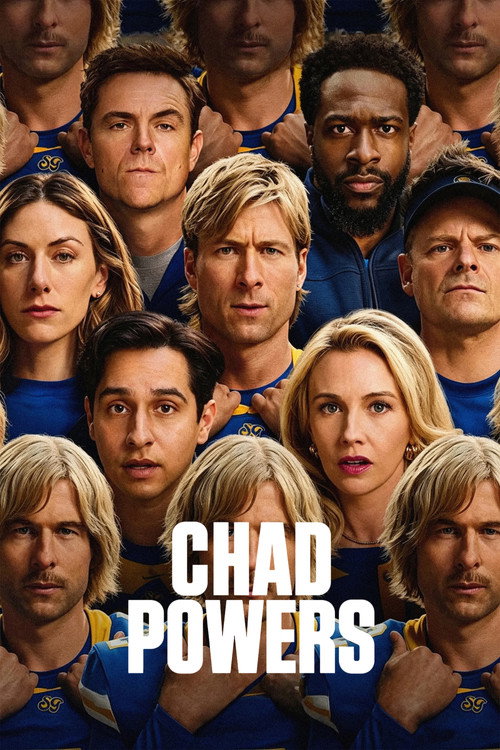
SmashyStream TV shows include several kinds of continuing story. Chad Powers begins with a disgraced quarterback trying to rebuild his prospects under a disguise. The premise creates comedy from ambition, identity, and the gap between who a person is and who he pretends to be. Adults turns toward a group of young people trying to manage life in New York. If you want a comedy series, decide whether you are more interested in one elaborate deception or the relationships within a group.
A more unsettling school story appears in The Shards, whose description introduces a new student alongside the activities of a serial killer. The school setting is not a reason to expect a light teen comedy. Four Hands, Two Sonatas also involves students, but its premise centers on two pianists from different backgrounds at a music school. The shared setting gives you a useful comparison while the actual descriptions make the difference in emphasis clear.
For a relationship set against major historical disruption, Lovesick introduces Emilia Sauri during the Mexican Revolution. Its entry is distinct from other productions that may use the same short title. Keep the year and premise in view when searching on a viewing service. If you choose All the Truth in My Lies, the description points instead to roommates, a bachelorette road trip, and feelings that unsettle a friendship group. These are different reasons to choose relationship-driven television.
Crime series can differ just as much. Blood Sacrifice combines a murder investigation with the strained relationship between a detective and his former-police-officer father. The VI Group of Fatal Case follows a major-crimes team, an unfinished investigation, and a larger criminal organization. If family tension is what interests you, the first premise has an obvious point of appeal. If you want cases connected to a broader institutional struggle, the second description offers another direction.
When beginning any series, confirm the available season rather than relying on a general show listing. A catalog page can identify the series while the selected viewing offer covers only part of it. Check whether you are opening the first episode, a later season, or a preview. That is particularly important when the show is new to you and you cannot recognize its characters yet. A few seconds spent matching the season can prevent an accidental start at a major turning point.
When returning, keep your own progress clear. A note such as the last completed season and episode is more useful than relying on a tab that might close. If two people are watching together, agree whether the next session begins with an unfinished episode or the following one. My List returns you to the series title, while the viewing service handles playback and any history it supports. Treating these as separate conveniences makes moving between a browser search and a television app much less confusing.
You can use SmashyStream search, title pages, and My List for free. A Watch Now action leads to a JustWatch title search, where the available viewing options depend on the selected country. That is where you compare how to watch movies online after choosing the film. The result might include a free offer, a subscription option, a rental, or a purchase. Do not treat those arrangements as equivalent just because they appear under the same name. Pick the one that matches what you actually want to do.
If your requirement is SmashyStream free movies, look for an offer explicitly described as free rather than assuming a catalog listing guarantees free playback. Advertising-supported viewing can be a useful option when available, but it is different from an included subscription title or a limited trial. Check the conditions on the viewing service itself. A trial that later becomes paid is not the same as a free film with no subscription commitment. You should understand the arrangement before entering payment details or confirming a purchase.
The country selector changes the market used by our viewing links. It does not select the country where the film was made. You can explore a Turkish, Indian, Chinese, or American production while looking for viewing options in the country where you are watching. This distinction is especially useful when recommendations come from friends abroad. Their chosen service may not offer the same title to you, even though both of you are discussing precisely the same film.
Before paying for a rental, make sure its terms fit the time you have. Look at the service's viewing window and supported devices, and check that the edition includes the language choices you need. If you want to move from a laptop to a Smart TV, confirm that the service supports that use before beginning. A film is not a good-value choice for you if the available version or device restriction prevents the viewing experience you intended, regardless of how attractive the initial price looked.
For an ongoing series, season coverage can matter more than a single attractive offer. Check whether the season you need is included, sold separately, or not currently listed. A poster for the series cannot answer that question by itself. When comparing with a friend, name the exact season and country so that you are discussing comparable options. There is no need to buy the first result simply because it was reached from the correct show page. Read what the offer actually includes.
When none of the current offers suits you, save the title and choose something else. You may prefer to wait for a different arrangement, or the film may be a future release that is not ready for home viewing in your market. We do not assign a streaming date that the selected service has not confirmed. The value of a saved title is that you can return to it when your circumstances or the available choices change, without having to reconstruct the original search.
A sharp image is not enough if you cannot comfortably follow the dialogue. In a SmashyStream-related discussion about television audio, a viewer described looking for a version of Everybody Hates Chris with more audible speech. That was one person's report about a particular viewing experience. It does not establish the reason for the mix or a universal problem with the show. It does illustrate a practical point: when comparing versions, the sound can be the feature that determines whether you enjoy watching.
If music or effects seem to overwhelm speech, identify whether it happens throughout the title or only in one scene. Check the available audio tracks and the output you are using before making a large change to the volume. A different language track, an audio-description track, and an ordinary original-language track serve different purposes. If your device provides a dialogue or night-listening option, consult its instructions to understand the effect. Do not assume that simply making everything louder will make the important words easier to distinguish.
Subtitles can help with quiet dialogue, unfamiliar accents, or watching where sound needs to remain low. They can also change how comfortable a film feels on a small screen. Choose a readable size and contrast if the service allows it, then test from your actual viewing position. A subtitle that looks large enough while you are adjusting the television from nearby can be too small from the sofa. The practical goal is to follow the story without leaning forward or pausing every sentence.
Our language browsing refers to the titles' original language, not a promise that every viewing offer contains every dub and subtitle track. For a concrete example of how service choices vary, Netflix's language-availability guidance identifies title, location, profile preferences, and device as relevant factors. It also explains that seasons or episodes can have different audio and subtitle sources. Check the exact item you intend to watch, especially when returning to a series after changing service or device.
Accessibility captions deserve a separate check when you need more than dialogue transcription. They may identify speakers, meaningful sounds, or music that ordinary subtitles omit. Audio description serves another purpose by describing visual information between dialogue where available. These are valuable choices, but their presence depends on the version and provider. Check the labels on the selected service rather than assuming an English language tag means every accessibility option is included. If you are arranging a group screening, ask what people need before starting.
If subtitles are missing after you change to full screen, first see whether player controls are covering them or whether the text itself has stopped displaying. Those are different symptoms. If the text is present but arrives at the wrong time, use a supported timing control only if the player provides one. If no such adjustment exists, choose another available track or consult the service's help. A title page cannot repair a subtitle file inside another company's player, but accurate title and episode information will make the problem easier to describe.
SmashyStream HD searches often come with a simple expectation: the movie should look clear on the screen in front of you. HD can describe 720p or 1080p, while 4K represents a higher-resolution format. The viewing service, edition, supported device, and connection determine what you can receive. A catalog page does not certify that every title has a 4K option, and the quality of a poster is not a sample of the complete video. Examine the selected service's quality information for the actual film.
Think about the whole viewing setup when a promised format does not appear. A television, streaming device, app, cable, and account plan may each affect the available output, depending on the service. Netflix's video-quality instructions, for example, ask viewers to check the title label, plan, network, and connected equipment. Use that provider's requirements if it is your chosen destination, or the equivalent guidance from another service. A generic claim that every browser supports every format is not a reliable basis for changing equipment.
Do not let a higher number hide a worse viewing experience. A stable picture with clear speech can be more enjoyable than a higher-resolution option that repeatedly stops. If the player offers a quality selector, compare a suitable lower setting when you encounter interruptions. Let the result settle before making another change. An automatic setting may already adjust to changing conditions. The right choice is the one that works for your title and connection, not a number you feel obliged to select regardless of the result.
Different films also have different visual styles. Dark horror, bright animation, historical interiors, and outdoor action will not look alike simply because the player labels them HD. Avoid judging an entire stream from one dim shot. Look for persistent problems such as a frozen image, severe blockiness, or text that is consistently unreadable. A film's intended framing and lighting can explain some differences, while a genuine playback problem usually has a more specific symptom you can describe and compare.
Check the screen shape before using zoom. Filling every part of the display can remove part of a wide image or cut off subtitles near the bottom. If the picture looks stretched, return to a normal aspect setting before adjusting sharpness or color. The film should not need distorted faces to occupy the screen. For a shared viewing session, make these checks at the beginning, then leave the controls alone when the picture is comfortable so everyone can concentrate on the story.
A phone is a useful place to discover a film even when it is not the screen on which you want to watch. Open SmashyStream in your browser, use the mobile navigation, and save the title or note its name and year. You can then check the viewing options from a computer or open the selected service on your television. Remember that the local list is not synchronized between devices. The title information, rather than an assumption about shared history, is what makes that move straightforward.
For mobile streaming itself, the chosen service controls playback. Consider subtitles, headphones, available battery power, and the connection you will be using. If you are watching while traveling, an available offline download may be more appropriate than relying on a changing connection, but that feature must come from the service and be supported for the title. Saving a SmashyStream page or adding a website shortcut does not download a film. Confirm any offline arrangements before leaving the connection on which you intended to prepare them.
On a Smart TV, start with a viewing method supported by the service. A native TV app can be easier to navigate with a remote than a desktop-style website. A streaming stick or console may be another option if the provider supports it. The fact that the TV can open a browser does not mean the browser supports every video format, subtitle feature, or sign-in method. Choose based on the service's device guidance, not merely on whether its homepage looks correct.
Casting can be convenient when the selected app supports your receiving device. Use the cast control offered by that service and follow its setup instructions. For Apple devices, Apple's AirPlay guidance calls for compatible equipment on the same Wi-Fi network and notes that some video apps do not support AirPlay. These are service and device capabilities, not a universal SmashyStream casting feature. If casting is unavailable, check for a supported app on the screen you want to use rather than repeatedly reconnecting the same unsupported combination.
Full-screen viewing is another feature that needs to be understood in the actual player. A viewer question about SmashyStream full screen described settings and runtime controls remaining visible. That report is useful as a symptom, not as proof of a single cause. Try the player's documented full-screen control, then move the pointer away or stop touching the screen briefly. If the controls remain, identify the browser and player involved before applying advice meant for a different service.
For example, Netflix's full-screen help provides browser-specific steps for its own player. Follow those instructions when Netflix is the service you selected; do not treat them as instructions for every screen with a play button. A browser's full-window mode and a video's full-screen mode can also be different controls. If you accidentally enlarge only the webpage, you may still see surrounding navigation. The useful question is whether you expanded the film player itself or simply changed the browser window.
The SmashyStream app guide explains the browser access provided here. You can search, inspect title details, set your viewing country, and save movies without installing a native application. A supported browser may offer a home-screen shortcut or an app-style installation of the website. That can make reopening the catalog convenient, but it remains access to this web experience. It does not add an offline film library, a new account, or a hosted video player.
There are separately published applications using the Smashystream name. A Google Play listing for Smashystream: Movies & series describes movie discovery and trailers and identifies its own developer. A similar name is not proof that an application belongs to this website. We do not distribute that app here, and we do not provide a SmashyStream APK download. If you are comparing software, look at the publisher and the features actually described rather than assuming every name-bearing result plays full movies.
SmashyStream API searches can refer to software projects that have used the name for video-source integrations. For instance, the FlixQuest API repository lists a provider with that name. It is a separate developer project, not documentation for a public streaming API on this website. You do not need an API key or developer account to use our catalog, and the Watch Now action opens JustWatch rather than an embeddable player endpoint. Historical integration references should not be mistaken for a feature available here.
The same distinction applies to login. There is no SmashyStream account required for our local My List. If another site or application asks you to sign in, that is a separate account arrangement with its own terms. A login elsewhere will not automatically populate this browser's saved collection. Use the privacy information to understand the local preferences kept here. Knowing which service is asking for information makes the transition from free catalog browsing to a chosen viewing offer easier to follow.
Download can also mean two different things: installing software or saving a video for offline viewing. Neither is the same as saving a title in My List. There is no downloadable movie file attached to our title pages. If offline viewing is essential, check the selected service for the exact film, device, and download conditions. Keep that requirement in mind when comparing offers, because an otherwise suitable rental or subscription option may not support the particular offline use you need.
SmashyStream.com, SmashyStream.xyz, and variations such as flix subdomains appear in older discussions and searches. Those references do not establish that every address shares an operator, account, catalog, or bookmark collection. Our domain page explains the practical differences to keep in mind when an old link stops opening. Preserve the film name and year, then search for the title from the homepage you intend to use. A broken old path should not force you to abandon the movie you were interested in.
An address that fails to open is different from a movie that has no suitable viewing offer. It is also different from a player that opens but has an audio problem. Notice which of those situations you have before looking for a replacement. A new domain does not guarantee the same video version, and a similar logo does not restore another site's saved history. If you previously used a browser bookmark, retain its readable name while you check the new page rather than deleting useful information immediately.
For SmashyStream alternatives, begin with the reason you need one. You may want the same film with a specific subtitle language, a free offer, an option supported by your TV, or another story entirely. The alternatives guide helps you compare on those terms. A list of popular website names is less useful than a clear requirement. If you need a particular season with intelligible dialogue, a different service offering only later seasons does not solve the problem, even if it has a large catalog.
Community discussions can reveal practical details that a broad comparison misses, but read them with their date and exact context intact. A viewer saying a server worked last year is describing a past experience. Another viewer reporting a failure on a different address may be describing something unrelated. Use those reports to decide what to check, not to assume a permanent shutdown or a guaranteed replacement. We do not maintain a list of authenticated mirrors or claim that every name-bearing domain is currently reachable.
If the issue is a network restriction, follow the rules of the network you are using. A search for an unblocked address does not guarantee that a website will be permitted at work, school, or a hotel. You can keep the title name and return later from an appropriate connection. The film choice and the immediate ability to open a site are separate. My List and an ordinary outside note can help preserve that choice without turning an access problem into a long search through unfamiliar addresses.
Our SmashyStream status help begins with search and saved-list behavior. If search returns no titles, remove filters and try the movie's name or original title. If the list is empty, check the browser profile and whether site data was recently cleared. If the browser reports that it could not save a change, the button cannot make a durable bookmark until storage is available. These checks concern the catalog itself and do not require changing video settings on another service.
If Watch Now opens a result for the wrong country, change the country preference and try the action again. If the result has several similarly named productions, compare year and description. If the correct film appears but no offer fits your needs, that is an availability question. Keep the title and choose another option or return later. Repeatedly refreshing the catalog will not necessarily change a service's regional offers, and the absence of a free choice is not evidence that the search failed.
For buffering, distinguish a brief start-up delay from repeated interruptions. Note whether another title on the same service behaves normally and whether the device's ordinary connection is working. If the selected player offers quality controls, compare a supported lower setting and observe the result. Change one thing at a time. This keeps a simple test useful and avoids a situation where several changed settings make the picture different but leave you unsure why. Follow service-specific help when an error code appears.
Streaming servers and source selectors are features of the video service supplying playback, not of this SmashyStream catalog. There is no local server list to switch through here. If a separate player uses the SmashyStream name for a source, its behavior is not the same as our search or My List. Record the actual service, title, device, and error message when asking for help. That information is more useful than treating every failure involving the name as one shared outage.
When audio, subtitles, or full screen are the problem, stay focused on that feature. A language mismatch calls for checking tracks; cropped text calls for checking framing; an unchanged overlay calls for checking the player's controls. None automatically means you need to install an APK, erase every browser setting, or replace your hardware. Begin with reversible checks that match the symptom. Once the viewing setup is comfortable, return attention to the film instead of continuing to adjust settings that are already doing what you need.
Our movie and TV catalog, title search, genre browsing, and My List are free to use without an account. Watching depends on the offer you choose after opening the JustWatch link. Check whether the selected offer is free, included with your subscription, available for rental, or sold separately.
Open a title and select My List. Its saved state changes, and the title appears in the list kept by this browser profile. Select the same control again to remove it. This saves a title for later; it does not download the video or record completed episodes.
My List uses local browser storage rather than a synchronized SmashyStream account. Another device, browser profile, or private window can have a different list. Clearing site data can remove local choices. Keep a separate copy of important title names before changing browsers or removing stored website data.
No. A catalog entry can describe an upcoming or recent production without confirming home-viewing availability in every country. Use the title information to identify and save the film, then check its current viewing offers. Release year is not a promise of an available stream or a particular quality.
No native APK installer is distributed on this website. Use the catalog in your browser for search, title information, and saved choices. A supported home-screen shortcut opens the web experience. Separately published applications using the same name have their own developers and should not be assumed to belong to this site.
This website does not offer a public streaming API or an embeddable film player. Watch Now opens a regional JustWatch title search. References to SmashyStream in separate software projects describe those projects and their integrations, not an API key or video-source service supplied by this catalog.
Check the selected viewing service for the available edition, resolution, plan, and device requirements. HD, 1080p, and 4K options are not guaranteed by a catalog entry. The quality you receive depends on the supported viewing setup and the offer for the particular film or episode.
Browse SmashyStream on a phone or computer, choose a title, and compare its viewing options. Use the selected service's supported app, browser, or casting method for playback. A Smart TV browser opening the catalog does not establish compatibility with every video service or every subtitle and quality option.
Check that you used the video's full-screen control rather than only enlarging the browser window. Move the pointer away or stop touching the screen briefly, then follow the selected service's guidance if the overlay remains. Full-screen behavior belongs to that player, so identify the actual app or browser when seeking help.
Identify whether the address, search, saved list, viewing link, or external video player failed. Reset search filters when relevant and check your browser profile for saved-list issues. For playback, use the selected service's help and exact error message. A problem in one part does not prove that every SmashyStream address is down.